
-2201261422043.jpg)
-2201261416487.jpg)
-2201261032598.jpg)
-2201261030768.jpg)
-2201261028415.jpg)
-2201261027094.jpg)
-2201261023489.jpg)
-2201261002574.jpg)
-2201260953730.jpg)
-2201260950047.jpg)
-2201260942883.jpg)
-2201260938986.jpg)
-2201260935299.jpg)
-2201261455646.jpg)
-2201261454240.jpg)
-2201261453061.jpg)
-2201261432473.jpg)
-2201261431658.jpg)
-2201261427204.jpg)
-2201261426092.jpg)
-2201261425226.jpg)
-2201261424959.jpg)
-2201260958365.jpg)
-2201261420268.jpg)
ผลิตภัณฑ์ของ Monomers
Pentaerythritol is an organic compound with the formula C5H12O4, appearing as a white crystalline powder. It is widely used as a raw material in the production of alkyd resins, synthetic lubricants, and explosives. Pentaerythritol is also used in the manufacture of paints, coatings, and plasticizers due to its excellent thermal stability and chemical resistance.
-2201261422329.jpg)
Phthalic Anhydride (PA) is an organic compound with the formula C8H4O3, widely used as a key raw material in the production of plasticizers, alkyd resins, and unsaturated polyester resins (UPR). It is a white crystalline solid with a characteristic odor and is also used in dyes, pigments, and flame retardants.
-2201261416024.jpg)
4-Hydroxybenzoic Acid (4-HBA) is an organic compound (C7H6O3) used primarily as a monomer in liquid crystal polymer (LCP) production and as a precursor for parabens, which are preservatives in cosmetics, pharmaceuticals, and food. It also serves as an intermediate in dyes and specialty chemicals.
-2201261032906.jpg)
Acrylic Acid and its esters (acrylates) are versatile chemical building blocks used to produce a wide range of polymers. They are valued for their excellent transparency, weather resistance, and adhesive properties, making them essential in the production of coatings, paints, adhesives, and superabsorbent polymers for personal care products.
-2201261030098.jpg)
Adipic Acid is an organic compound with the formula C6H10O4, widely used as a raw material in the production of nylon-6,6. It is a white crystalline solid that is slightly soluble in water. Adipic acid is also used in the manufacture of polyurethane, plasticizers, and food additives (as an acidity regulator). It is valued for its role in producing durable and flexible materials.
-2201261028958.jpg)
Produced by the condensation reaction of Phenol with Acetone. BPA is an important industrial intermediate
Mainly used for producing polycarbonate and epoxy resins. Applications in Automotive, Electrical, Construction materials, and Can coatings.
-2201261027615.jpg)
Dicyclopentadiene (DCPD) is a chemical compound (C10H12) used primarily in the production of unsaturated polyester resins (UPR), epoxy resins, and hydrocarbon resins for coatings, adhesives, and composites. It is also used in specialty chemicals, elastomers, thermoplastics, and fuel additives.
-2201261023902.jpg)
Ethanolamine (EA), with the formula C2H7NO, is a colorless, viscous liquid that is both an amine and an alcohol. It is widely used in various industries as a raw material for detergents, emulsifiers, and surfactants. Ethanolamine is also used in gas treatment to remove acidic gases like CO2 and H2S, as well as in the production of pharmaceuticals, cosmetics, and agricultural chemicals.
-2201261002952.jpg)
An aqueous solution of formaldehyde (typically ~37%). It comes from the reaction between Methanol and Air/Oxygen. The Chemical intermediate for industrial productssuch as Paraformaldehyde, Formic acid,
-2201260953205.jpg)
Hydrogenated Bisphenol A (HBPA) is a derivative of bisphenol A (BPA) with the formula C15H18O2, used primarily in the production of epoxy and polycarbonate resins. It provides excellent UV stability, weather resistance, and chemical durability, making it ideal for outdoor coatings, electronics, adhesives, and specialty polymers.
-2201260950445.jpg)
Maleic Anhydride (MA) is an organic compound with the formula C4H2O3, commonly used as a raw material in the production of unsaturated polyester resins (UPR), alkyd resins, and coatings. It is also used in the manufacture of additives, lubricants, and agricultural chemicals.
-2201260942265.jpg)
Methyl Methacrylate is a clear, colorless liquid monomer that serves as the primary component for PMMA (acrylic plastic). It is widely utilized to create durable, impact-resistant materials such as shatterproof glass substitutes, automotive parts, and dental prosthetics, as well as high-performance resins and surface coatings.
-2201260938004.jpg)
Phenol comes primarily from benzene derived from petroleum, produced industrially via the cumene process. Raw material for phenolic resins
Applications:
- Reacts with formaldehyde to produce phenolic resins.
- Used to produce bisphenol A (BPA) for epoxy resins and polycarbonates
- Intermediate for caprolactam (nylon-6)
- Used in pharmaceuticals, antiseptics, and disinfectants
- etc.
-2201260935649.jpg)
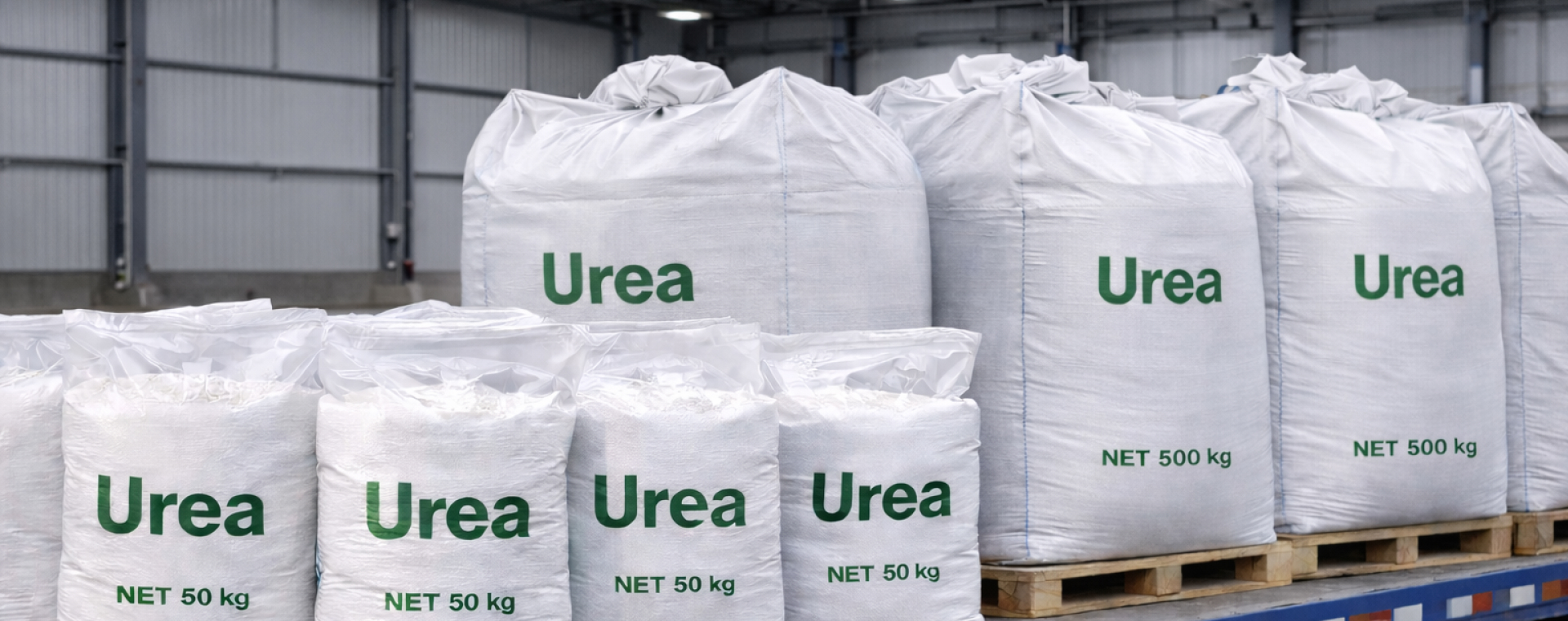
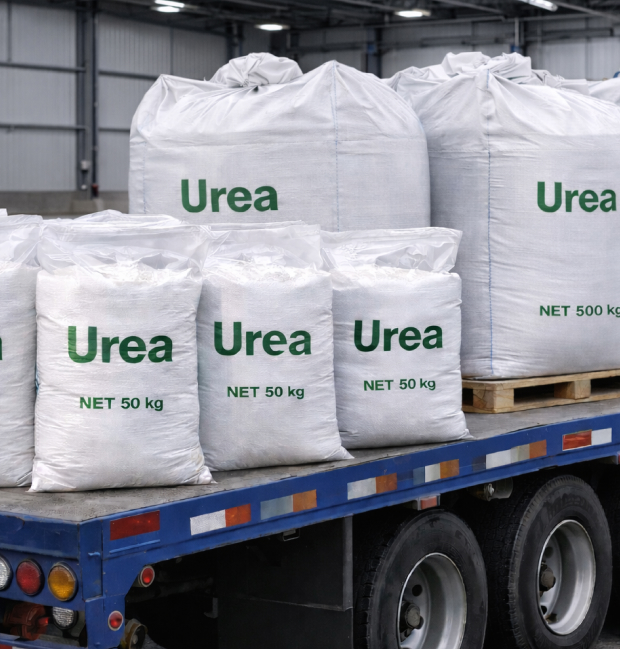
Produced industrially from ammonia and CO₂ under high pressure and temperature The major used is in Fertilizer.
Acrylamide is an essential industrial monomer used primarily to produce polyacrylamides, which are highly effective flocculants for water treatment and wastewater purification. Beyond environmental applications, it is widely utilized as a strengthening agent in paper manufacturing and as a specialized binder in the production of dyes, textiles, and permanent-press fabrics.
-2201261455055.jpg)
Propylene Oxide is a highly reactive, colorless liquid used as a key chemical building block for a diverse range of derivatives. Its primary application is in the production of polyether polyols for polyurethane foams—found in furniture, automotive seating, and insulation—as well as propylene glycols used in safe de-icing fluids and high-performance resins.
-2201261454733.jpg)
Purified Terephthalic Acid is a high-purity white powder used as the primary raw material for the production of polyester fibers and PET resins. It is an indispensable component in the global textile and packaging industries, used to manufacture everything from lightweight apparel and home furnishings to recyclable beverage containers and industrial films.
-2201261453638.jpg)
Alpha Methyl Styrene (AMS) is an organic compound with the formula C9H10, appearing as a colorless liquid with a mild aromatic odor. It is primarily used as a co-monomer in the production of resins, such as acrylonitrile-butadiene-styrene (ABS) and polycarbonate resins, to improve heat resistance and impact strength. AMS is also used in adhesives, coatings, and as an intermediate in chemical synthesis.
-2201261432048.jpg)
Purified Isophthalic Acid (PIA) is an organic compound with the formula C8H6O4, appearing as a white crystalline powder. It is primarily used as a key raw material in the production of polyethylene terephthalate (PET) resins, unsaturated polyester resins (UPR), and high-performance coatings. PIA enhances chemical resistance, durability, and thermal stability in end products, making it valuable in industries such as packaging, automotive, and construction.
-2201261431057.jpg)
Methanol, also known as methyl alcohol (CH3OH), is a colorless, volatile liquid with a mild alcoholic odor. It is widely used as a solvent, antifreeze, and fuel, as well as a feedstock in the production of formaldehyde, acetic acid, and other chemicals. Methanol is also used in biodiesel production and as a fuel additive.
-2201261427386.jpg)
Methyl Cyclohexane is a colorless, flammable liquid hydrocarbon with the formula C7H14. It is commonly used as a solvent in chemical processes and as a component in fuels. Methyl cyclohexane is also used in the production of adhesives, coatings, and rubber.
-2201261426537.jpg)
Methylene Chloride (Dichloromethane, DCM) is a volatile, colorless liquid with the formula CH2Cl2. It is widely used as a solvent in paint removers, degreasers, adhesives, and chemical processes. Known for its excellent solvency and low boiling point, methylene chloride is also used in the production of pharmaceuticals and as a blowing agent in foam manufacturing.
-2201261425765.jpg)
Iso-Butyl Acetate is an organic compound with the formula C6H12O2, commonly used as a solvent in coatings, inks, adhesives, and cleaning products. It is a colorless liquid with a fruity odor, offering good solvency for resins and polymers.
-2201261424165.jpg)
1,4-Butanediol (C4H10O2) is a colorless, viscous liquid widely used as an industrial solvent and chemical intermediate. It is primarily utilized in the production of polyurethanes, polybutylene terephthalate (PBT) plastics, and tetrahydrofuran (THF), a versatile solvent. BDO is essential in manufacturing elastic fibers, coatings, and other durable materials.
1,5-Pentanediol (C5H12O2) is a hygroscopic liquid with two hydroxyl groups, making it a valuable diol. It is commonly used as an intermediate in the production of polyesters and polyurethanes. Additionally, it serves as a humectant in cosmetics and personal care products and is an additive in coatings, adhesives, and sealants.
1,6-Hexanediol (C6H14O2) is a white, waxy solid or viscous liquid that is highly soluble in water. It is a key raw material in the production of polyurethanes, acrylic resins, and polyesters. HDO is widely used in coatings, adhesives, and elastomers, where it enhances flexibility, durability, and chemical resistance in end products.
-2201260958918.jpg)
-2201261420532.jpg)